
Ensuring Operational Reliability in Extreme Environments
Industrial washing equipment operating within the petrochemical sector operates under severe conditions involving elevated temperatures, high pressures, and corrosive chemical vapors. In these hazardous settings, preventative maintenance is not merely an operational recommendation—it is a vital requirement for process safety, workplace compliance, and equipment longevity.
Neglecting minor operational anomalies can trigger domino-effect component failures. This technical guide outlines the seven fundamental maintenance protocols required to ensure the safe and efficient operation of petrochemical cleaning systems.
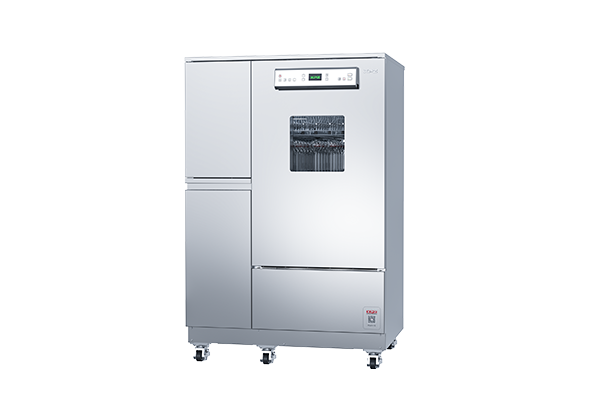
1. Sealing System Integrity and Replacement Protocol
Sealing assemblies—including pump seals, flange gaskets, vessel manhole rings, and valve packings—are constantly exposed to aggressive organic solvents, acid/alkali vapors, and thermal cycling.
-
Routine Visual Audits: Inspect all dynamic and static seals regularly for weeping, chemical crystallization, or localized temperature spikes on rotating shafts.
-
Correct Repair Methodology: Never attempt to resolve a leak solely by over-tightening flange bolts, as uneven torque deforms sealing surfaces. Always remove compromised seals, clean the retention grooves, and install factory-specification replacement gaskets compatible with the specific cleaning chemistry.
2. Multi-Stage Filtration Maintenance
Petrochemical wash fluid frequently carries suspended polymer fragments, corrosion particulates, and heavy scale debris.
-
Differential Pressure Monitoring: Track differential pressure across primary filter beds. Significant pressure drops indicate severe particulate clogging, requiring immediate element backflushing or replacement.
-
Complete Housing Service: Inspect internal O-rings and drain valves during filter element changes. Worn bypass valves allow unfiltered debris to re-enter circulation, compromising internal spray nozzles.
3. Piping and Joint Corrosion Prevention
Corrosive wash media can induce internal wall-thinning and external stress-corrosion cracking (SCC) in stainless steel pipework.
-
Targeted High-Stress Inspections: Focus routine audits on elbows, T-junctions, reducer sections, and welded seams where fluid turbulence accelerates wall erosion.
-
Vibration and Support Audits: Verify that pipe clamps, vibration dampers, and rubber isolators remain firmly anchored to mitigate mechanical fatigue and wall abrasion. Replace flange gaskets after every disassembly.
4. Explosion-Proof Electrical and Humidity Safeguards
In volatile petrochemical atmospheres, electrical system compliance with explosion-proof ratings is paramount.
-
Enclosure Sealing: Inspect explosion-proof junction boxes, flexible conduits, and cable glands to ensure zero vapor ingress paths.
-
Dehumidification & Dust Removal: Use clean, dry compressed air to clear control cabinet interiors, preventing conductive vapor films from forming across terminal blocks.
-
Grounding Audits: Periodically measure grounding resistance across machine chassis, motors, and pipe manifolds to prevent static discharge hazards. Execute lockout/tagout (LOTO) protocols prior to servicing electrical arrays.
5. Drive and Mechanical Component Lubrication
Reciprocating pumps, agitators, and drive chains operate under continuous heavy mechanical loads.
-
Precision Lubrication: Apply manufacturer-specified synthetic lubricants at prescribed time intervals. Clean oil nipples prior to injection to avoid pushing grit into bearing races.
-
Condition Monitoring: Utilize acoustic listening probes or vibration sensors on bearing housings to identify early signs of mechanical misalignment, gear pitting, or bearing raceway fatigue.
6. Wash Media Quality Management & Tank Cleanout
Recirculated water-based detergents and solvent wash media degrade over repeated cycles as soil loading increases.
-
Chemical Parameter Tracking: Regularly test chemical concentration, pH, and soil saturation levels. Replace bath solutions when cleaning efficiency declines rather than extending cycle times indefinitely.
-
Sump Sediment Removal: Establish scheduled tank cleanouts to scrape away heavy sludge and polymer deposits from the reservoir floor, preventing microbial growth and nozzle blockages.
7. Safety Interlock and Emergency System Validation
Safety interlocks represent the final defense layer preventing industrial accidents during equipment malfunctions.
-
Functional Validation: Systematically simulate abnormal conditions to confirm the responsiveness of door interlocks, high-pressure cutoffs, thermal safety switches, and emergency stop (E-stop) controls.
-
Sensor Calibration: Calibrate combustible gas sensors and flame detectors on a strict schedule per manufacturer specifications to guarantee early hazard detection.
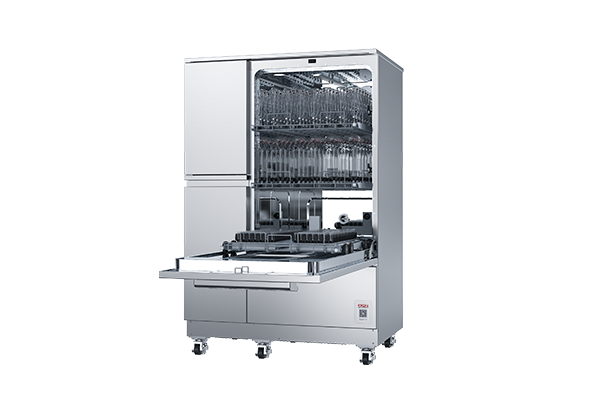
Summary
Maintaining industrial washing systems in petrochemical applications requires a holistic strategy. A failure in one domain—such as a leaking seal—can quickly degrade surrounding electrical components or starve circulation pumps. Implementing a digital maintenance log and training operators to recognize early physical warning signs ensures uninterrupted operation, audit readiness, and maximum equipment service life.
Post time: Sep-21-2026