
When choosing an automatic glassware washer for your laboratory, one crucial question stands out: “How long does each cleaning cycle take?” The answer directly impacts your lab’s workflow efficiency and the turnover speed of your glassware. Xipingzhe provides an impressive solution—each standard cleaning and drying cycle takes just 1 hour.
1. Breaking Down the “1-Hour” Cycle: Where Does the Time Go?
Xipingzhe automatic glassware washer optimizes the most meticulous manual cleaning steps, but fully automated, ensuring consistent and controllable results.
Core Cleaning Stage: Approx. 35 minutes
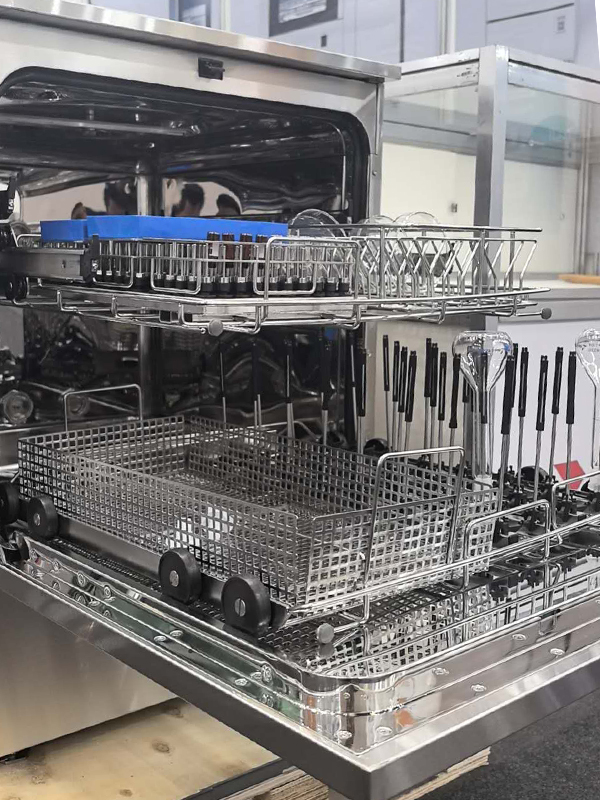
This is the key phase for removing contaminants. The system automatically carries out pre-wash, main wash, and rinse cycles. For common tough stains, the system heats the water to a precise 75°C and adds detergent. Using a high-pressure spray system, it effectively scrubs both the inside and outside of the glassware, ensuring efficient removal of pollutants.
Efficient Drying Stage: Approx. 20-25 minutes (Optional)
After cleaning, if the drying function is selected, the machine blows clean, filtered hot air (HEPA-filtered) into the glasswares, drying them quickly and thoroughly. This prevents water spots and avoids the risk of cross-contamination, ensuring that your glassware is ready for immediate use.
Summary: Place dirty glassware in the machine → Press start → After about 1 hour → Remove clean, dry, and warm glassware, ready for the next round of experiments.
2. Why Isn’t Cleaning Time Fixed? Three Factors That Influence Efficiency
Xipingzhe‘s design emphasizes flexibility. The cleaning time can be adjusted based on your specific needs.
Program Selection is Key:
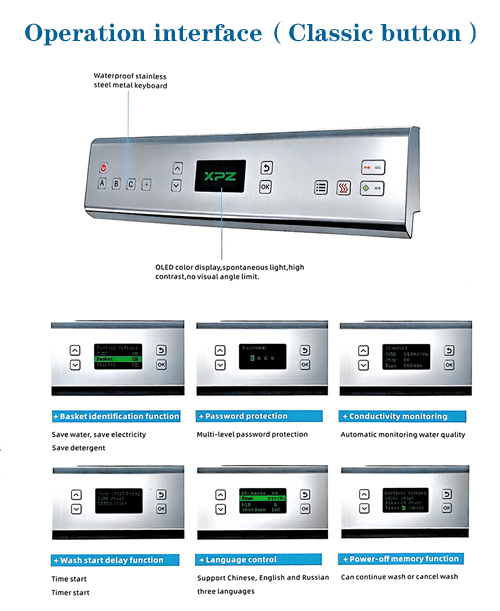
The washer offers 38 standard programs and allows for 100 customizable ones. Different cleaning goals require different time strategies:
Quick Wash: Ideal for lightly soiled items, reducing cycle time.
Heavy Oil Program: Requires higher temperatures and longer chemical exposure, extending the cleaning phase.
Drying Function as an Option:
If you’re pressed for time, you can skip the drying step and retrieve your glassware after just 35 minutes of washing, significantly shortening the cycle.
The Degree of Contamination:
For particularly stubborn contaminants (like coagulated proteins or polymer resins), you can customize the cleaning parameters. Adjusting temperature or extending the main wash time ensures that detergents work effectively, providing better emulsification and removal.
3. Boost Efficiency: 3 Pro Tips from Xipingzhe Users
Batch Processing to Maximize Time Efficiency
Xipingzhe‘s large cleaning capacity allows for bulk cleaning. Instead of washing items individually, group them together for a single batch wash. This significantly reduces the per-item time cost and boosts overall efficiency exponentially.
Leverage Custom Programs for Streamlined Processes
For specific contaminants commonly handled in your lab, use the custom program feature to save the optimal settings (e.g., time, temperature, detergent type). This enables you to apply the best parameters with just one click, improving both efficiency and results.
Stick to the “Wash and Dry” Cycle
While drying does add some time, for labs that demand high standards, the extra 20 minutes is invaluable. It ensures that your glassware is both physically and biologically clean, preventing the risk of contamination that can occur with air-drying. This step is essential for maintaining accurate experimental results.
Why Xipingzhe Automatic glassware Washer is the Ideal Choice
Xipingzhe automatic glassware washer delivers more than just clean glassware. It provides standardized, traceable cleaning quality and frees up valuable time for lab technicians. What was once a labor-intensive task has now become an efficient, reliable productivity tool, transforming your lab’s cleaning process into a streamlined, controlled operation.
Post time: Feb-25-2026