
The High-Stakes Environment of Biomedical Research
In biomedical research—spanning molecular biology, cell culture, pathology, and clinical diagnostics—experimental integrity hinges entirely on the elimination of trace contaminants. Standardized cleaning is not merely a housekeeping routine; it is a fundamental safeguard against cross-contamination, erroneous cell behavior, and biohazard exposure.
As research protocols grow increasingly complex and analytical instruments detect traces down to parts-per-trillion, manual washing methods fail to provide the necessary reproducibility. XPZ Automatic Laboratory Washers deliver the thermal, mechanical, and regulatory standards required to protect both sensitive research and laboratory personnel.
1. Overcoming the Limitations of Complex Vessel Geometries
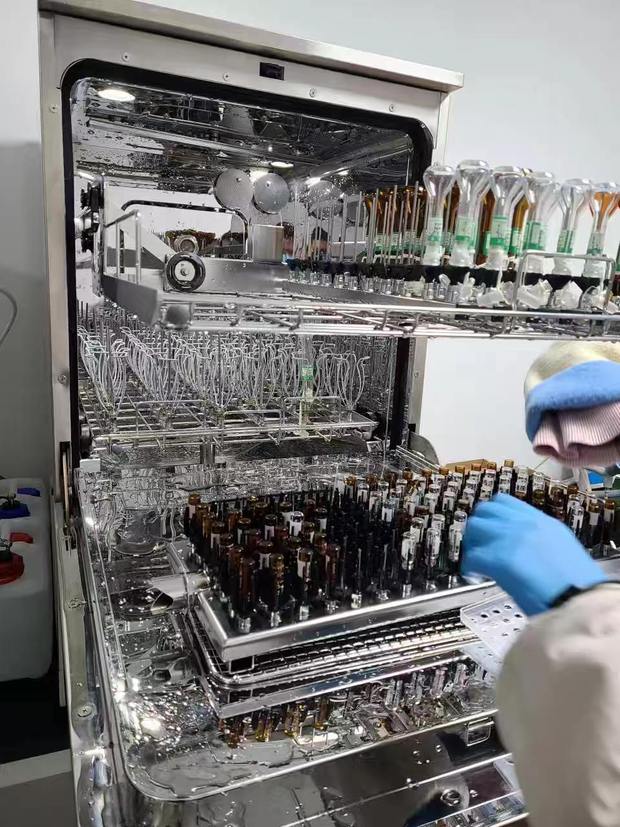
Biomedical laboratories utilize an exceptionally diverse array of vessels—including cell culture flasks, micro-centrifuge tubes, Petri dishes, graduated pipettes, and glass microscope slides. Their varied materials (borosilicate glass, specialized polymers) and intricate interior surfaces create severe cleaning challenges.
Manual brush washing often leaves microscopic film residues in hard-to-reach corners or causes physical scratches that harbor bacterial biofilms. XPZ systems address this through:
-
Multi-Tier Direct Injection Racks: Delivering targeted, high-pressure liquid vectors straight into narrow-necked flasks and micro-tubes.
-
360° Omnidirectional Spray Dynamics: Ensuring complete hydraulic coverage across every external surface and interior blind spot without physical abrasion.
2. Eliminating Bio-Interference and Securing Data Reproducibility
In molecular diagnostics and cell biology, invisible contamination can quietly compromise entire research projects:
-
Cell Culture Viability: Residual alkaline surfactants or trace heavy metals can induce cytotoxicity, altering cell morphology or triggering unintended cell death.
-
Molecular Assay Interference: Residual nucleases degrade sensitive RNA/DNA samples, yielding false negatives in PCR and sequencing workflows.
XPZ washers eliminate human variability by executing standardized, programmable cleaning profiles. Integrated high-temperature thermal washing, precise automated detergent dosing, and high-purity deionized water rinsing cycles ensure that every batch meets identical cleanliness standards, securing absolute data reproducibility.
3. Enhancing Biosafety and Pathogen Decontamination
Biomedical researchers routinely handle hazardous materials, including human blood samples, viral vectors, pathogenic bacteria, and aggressive chemical reagents. Inadequate decontamination poses severe risks:
-
Cross-Contamination: Microbial carryover between batches corrupts subsequent biological assays.
-
Occupational Exposure: Hand-washing contaminated or sharp glassware heightens the risk of accidental lacerations, aerosol inhalation, and direct biological infection.
XPZ washers integrate validated thermal disinfection stages, heating water up to 93°C to eliminate vegetative bacteria, viruses, and biological agents. Operating within a completely sealed chamber prevents aerosol dispersion and eliminates direct operator contact with biohazardous materials.
4. Supporting Standardized Quality Management (GLP/GMP)
As biomedical research transitions from basic science to clinical trial manufacturing and commercial biotechnology, regulatory auditability becomes mandatory.
XPZ systems are equipped with integrated microprocessor controllers and IoT tracking modules. Every cycle automatically logs critical validation metrics—including cycle duration, peak thermal disinfection temperatures, chemical dosage volumes, and final rinse water conductivity. This automated data logging generates audit-ready records required for Good Laboratory Practice (GLP) and Good Manufacturing Practice (GMP) compliance.
Conclusion
In modern biomedical science, the XPZ Automatic Laboratory Washer serves as an indispensable tool for biosafety and operational standardization. By eliminating bio-film carryover, protecting personnel from pathogenic exposure, and generating auditable cycle records, XPZ technology ensures that biomedical laboratories maintain the highest standards of safety, accuracy, and efficiency.
Post time: Jul-27-2026