
Buying a lab glassware washer based only on the purchase price is a mistake. The real question: What’s the Total Cost of Ownership (TCO) over 8–10 years?
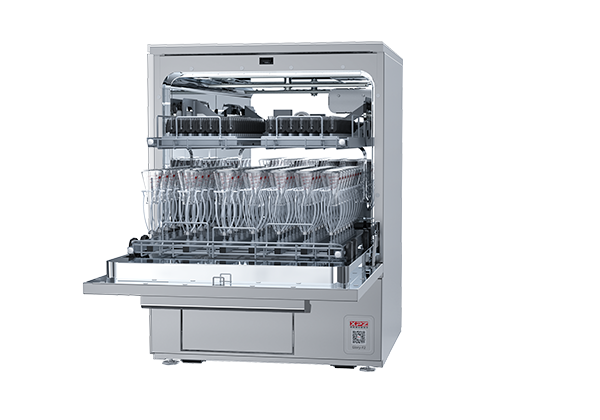
XPZ washers are built to lower that number. Here’s how the math works.
1. Utilities: Water, Electricity, Detergent
Hand washing isn’t “free.” It just hides the cost.
| Item | Hand Wash | XPZ Washer | Savings |
| Water (68×500mL flasks) | 160L | 60L | 60%+ |
| Pump energy | Fixed speed | Variable frequency | 30%+ |
| Detergent per cycle | Manual pour (wasteful) | 0.4% concentrate | 60% less |
One 5L detergent bucket lasts 150+ cycles with XPZ. Good luck getting that from hand washing.
2. Labor: The Hidden Cost
University lab case study (before vs. after Glory-2):
- Before: 2 students × 3 hours = 6 labor hours/day
- After: 40 minutes machine run time = 0.7 labor hours
80% labor time saved. Those students now run experiments instead of scrubbing flasks.
No more training new people on “the right way to hand wash.” The machine standardizes everything.
3. Quality Cost (Hard to measure. Easy to feel.)
Hand washing = inconsistent residues = failed experiments. One ruined experiment can cost more than the washer itself.
XPZ delivers repeatable, verifiable cleaning every cycle. No guesswork. No “did I miss that spot?”
4. Longevity & Maintenance
Designed life: 8–10 years
- Industrial-grade pump, heater, and control system
- Modular design — replace individual units, not the whole machine
- Standard parts ship within 24 hours (72 hours for specialty)
Compare that to waiting weeks for imported brand parts while your lab sits idle.
XPZ isn’t just “cheaper than imported brands.” It delivers lower water, energy, detergent, labor, and downtime costs over the full lifecycle.
Don’t shop on sticker price. Shop on TCO.
Post time: Jun-01-2026