
The Demands of Petrochemical Maintenance The petrochemical industry operates under extreme conditions, where pipelines, heat exchangers, reactors, and storage tanks are continuously exposed to harsh substances. Over time, these systems accumulate heavy oil sludge, coke deposits, chemical scaling, and mineral impurities. If left untreated, these deposits drastically reduce thermal transfer efficiency, impede chemical reactions, and compromise plant safety.
XPZ Petrochemical Washing Systems are engineered to address these complex industrial challenges. Maximizing cleaning performance while optimizing key process parameters is essential for extending asset lifespans, lowering energy consumption, and maintaining safe operational environments.
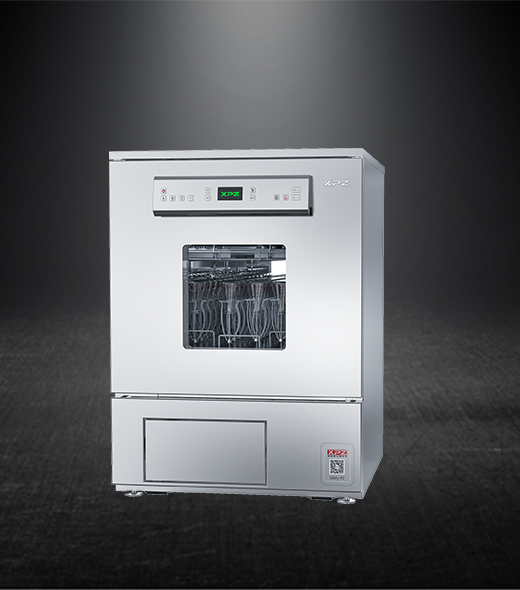
Glory-F2
1. Evaluation Metrics for Cleaning Performance
To evaluate the effectiveness of an industrial cleaning cycle, XPZ focuses on three primary quantifiable pillars:
-
Cleaning Efficiency: Modern petrochemical cleaning relies on high-pressure water jetting, targeted chemical solvents, or a synchronized hybrid approach. While high-pressure hydro-jets mechanically dislodge hardened scale from internal tube walls, chemical solvents break down stubborn organic polymers and coke deposits. Combining these two phases yields significantly faster turnaround times compared to single-method cleaning.
-
Cleaning Uniformity: Petrochemical infrastructure is highly complex, featuring intricate pipe bends, manifolds, and blind corners. To eliminate dead zones, XPZ equipment utilizes specialized multi-axis rotating nozzles, variable frequency delivery pumps, and multi-point injection arrays. Field data demonstrates that integrated rotary jetting technology reduces localized residue rates to below 5% inside heat exchanger bundles.
-
Residual Contamination Control: Minimizing post-wash residue is a critical quality indicator. Excessive left-over particulates can cause secondary contamination or unexpected downstream blockages upon system restart. By adjusting rinse durations, fluid velocities, and media ratios, operators can strictly manage residual limits to guarantee stable, long-term equipment performance.
2. The Influence of Core Process Parameters
Achieving an optimal clean requires balancing several interconnected physical and chemical variables:
-
System Pressure: Hydraulic pressure is a primary driver of mechanical scaling removal. Insufficient pressure fails to shear tough crystalline deposits away from metal substrates, resulting in an incomplete wash. Conversely, excessive pressure wastes energy and threatens the structural integrity of delicate internal components, such as thin-walled heat exchanger tubes.
-
Thermal Management (Temperature): Temperature directly affects the kinetics of chemical dissolution. Elevated temperatures decrease the viscosity of heavy crudes and accelerate the breakdown of complex hydrocarbon chains, reducing total cycle times. However, excessive heat increases chemical evaporation rates and accelerates substrate corrosion.
-
Cycle Duration and Flow Rate: Cleaning duration must be precisely calculated; abbreviated cycles leave contaminants behind, while over-extended cycles cause unnecessary component wear and utility waste. Volumetric flow rate dictates surface shear stress and fluid turnover inside the vessel. Utilizing continuous closed-loop circulation loops ensures consistent media contact with all internal surfaces.
-
Chemical Concentration: Solvent concentration must be tailored to the specific composition of the foulant. Low concentrations prolong operations and lower efficiency, whereas overly rich mixtures damage equipment metallurgy and increase hazardous waste disposal overhead.
3. Methodologies for Process Parameter Optimization
XPZ assists industrial facilities in transitioning from empirical guesswork to data-driven cleaning protocols through advanced optimization methodologies:
-
Design of Experiments (DoE): Utilizing orthogonal arrays and response surface methodology (RSM), engineers systematically map the interactions between pressure, temperature, duration, flow rate, and chemical strength. This statistical approach identifies the optimal operational window for specific deposit profiles, minimizing resource consumption.
-
Real-Time Monitoring and Intelligent Automation: Integrating flow meters, digital pressure transducers, and inline analytical sensors allows for continuous tracking of effluent clarity. Automated control loops dynamically adjust pump speeds or chemical dosing based on live feedback, ensuring maximum safety and efficiency.
-
Strategic Mechanical-Chemical Sequencing: Optimizing the processing sequence significantly improves outcomes. For instance, executing an initial high-pressure water flush removes loose, bulk debris first. This preserves the chemical activity of the subsequent solvent phase, allowing it to act exclusively on stubborn, adhered base layers.
Conclusion XPZ Petrochemical Washing Systems provide a vital line of defense against fouling-induced production losses. By scientifically optimizing pressure, temperature, flow dynamics, and chemical concentration, processing plants can achieve a highly predictable, safe, and eco-friendly maintenance cycle. As automated monitoring and predictive control systems mature, XPZ remains committed to delivering intelligent industrial cleaning solutions that support the sustainable, efficient operation of the global energy sector.
Post time: Jun-22-2026