
The Chemistry of Decontamination
In analytical chemistry, molecular biology, and pharmaceutical research, the cleanliness of laboratory glassware is an absolute prerequisite for data precision. Residual chemical surfactants, ionic traces, or cross-linked organic films can bias analytical instruments, poison active catalysts, and compromise cell culture viability.
While automated hardware forms the structural backbone of this process, the selection and execution of specialized cleaning agents dictate the chemical outcome. This guide provides a technical analysis of detergent categories and operational safety compliance workflows for XPZ Automatic Laboratory Glassware Washers.
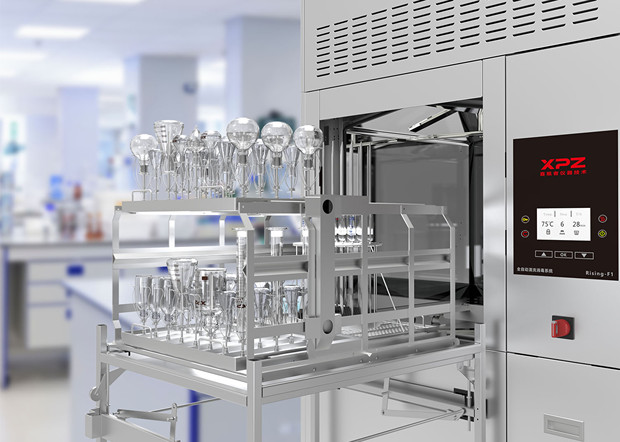
Section 1: Chemical Selection Matrix
Selecting the appropriate cleaning agent requires matching the chemical properties of the detergent to the specific molecular structure of the contaminant, the substrate composition of the vessel, and internal laboratory quality control (QC) standards.
1. Liquid Alkaline Formulations (Alkaline Cleaners)
-
Primary Target Residues: Highly effective against complex organic contaminants, including heavy crudes, biological fats, proteins, polymers, and synthetic culture media.
-
Mechanism of Action: Formulated with concentrated sodium hydroxide (NaOH), sodium carbonate (Na₂CO₃), or sodium silicate (Na₂SiO₃), these solutions achieve complete saponification of fatty lipids, emulsion of non-polar oils, and rapid denaturation/hydrolysis of protein chains.
-
Substrate Compatibility: Ideal for high-grade borosilicate glassware, stainless steel injection racks, and ceramic surfaces. Note: Concentrated alkaline conditions can etch aluminum, zinc, and delicate optical windows over extended cycle durations.
2. Acidic Neutralizers and Descalers (Acidic Cleaners)
-
Primary Target Residues: Engineered specifically for inorganic contamination, including divalent mineral scales (calcium carbonate, magnesium carbonate), metallic oxides (rust stains), and stubborn silicate crusts.
-
Mechanism of Action: Utilizing dynamic concentrations of organic acids (citric acid or acetic acid) or stabilized mineral acids (nitric acid or phosphoric acid), these agents solubilize target minerals via acid-base neutralization or coordination chemistry complexation.
-
Process Application: Typically deployed during the high-temperature secondary rinse phase to dissolve mineral deposits and effectively neutralize alkaline surfactant carryover from the primary wash.
3. Surface-Active Neutral Agents (Neutral Cleaners)
-
Primary Target Residues: Formulated for delicate, acid- or base-sensitive components, such as anodized aluminum manifolds, custom silicone gaskets, electronic probes, and precision micro-analytical optics.
-
Mechanism of Action: Composed primarily of non-ionic or amphoteric surfactant arrays, these agents lack aggressive pH modifiers. They systematically reduce the surface tension of water, accelerating substrate wetting and holding light particulates and fingerprint oils in stable suspension.
4. Specialized Enzymatic and Biological Formulations
-
Enzymatic Agents: Packed with concentrated proteases, lipases, and nucleases, these formulas selectively catalyze the breakdown of resilient biopolymers (DNA, RNA, structural proteins) without requiring extreme thermal envelopes. This is an essential step for life sciences and forensic molecular diagnostics.
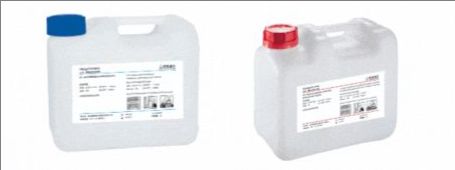
Section 2: Operational Protocols and Validation Guidelines
To ensure stable automated cycles and maintain long-term compliance with internal standard operating procedures (SOPs), technicians must adhere to strict handling and programming parameters:
1. Preparation Chemistry and Dosing Precision
-
Volumetric Concentration Accuracy: Strictly program the XPZ microprocessor to match the exact dosing ratios defined by the chemical manufacturer. Insufficient dosing yields incomplete descaling, whereas over-concentration risks chemical retention on glass surfaces, which can corrupt subsequent analytical chromatography.
-
Hydraulic Feed Quality: Always utilize high-purity deionized water ($DI$) or reverse osmosis ($RO$) water to dilute cleaning concentrates. Raw tap water introduces heavy calcium and magnesium ions that prematurely consume active surfactant molecules, causing unexpected scaling inside internal heating circuits.
-
Fresh Batch Maximization: Avoid long-term storage of diluted alkaline solutions; open exposure to ambient air induces rapid carbon dioxide ($CO_2$) absorption, which neutralizes active hydroxyl ions and systematically degrades cleaning efficacy.
2. Parameter Tuning and Cycle Sequencing
-
Dynamic Programming Integration: Ensure the active washer profile matches the technical configuration of the loaded chemicals (e.g., executing a designated “Alkaline Main Wash” followed by a dedicated “Acidic Neutralization” step).
-
Pre-Rinse Integration: Always execute a localized ambient-temperature pre-wash cycle. This mechanical flushing phase dislodges loose particulate loads and bulk chemical residues, discharging them before chemical injection to prevent internal spray arm clogging.
3. Safety Compliance and Chemical Integrity
-
Personal Protective Equipment (PPE): Personnel handling chemical concentrates must wear chemical-resistant splash goggles, thick nitrile gloves, and standard laboratory coats.
-
Strict Chemical Separation: Never mix incompatible concentrated cleaning formulas directly—specifically concentrated acids and bases. Direct contact triggers violent exothermic neutralization reactions, causing extreme gas release, chemical splashing, or localized hardware damage.
-
Component Audits: Regularly inspect the integrated peristaltic dosing pumps, reinforced supply lines, and internal delivery manifolds to check for chemical corrosion or scaling blockages, ensuring accurate delivery volume.
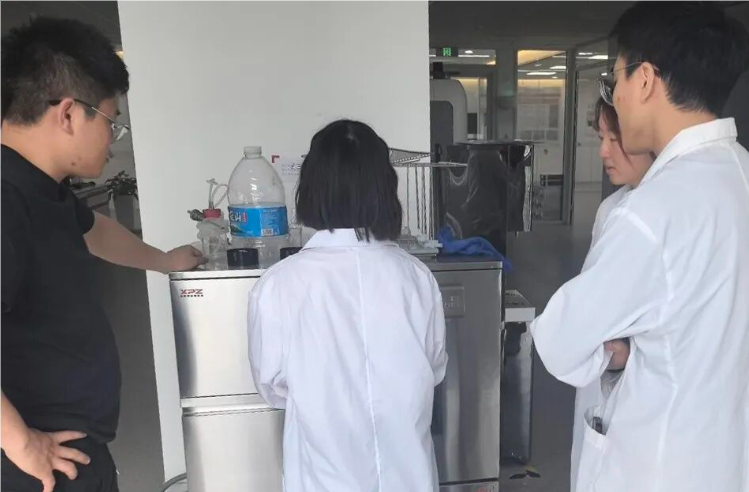
Conclusion: The Automated Cleaning Synergy
The key to achieving repeatable, audit-ready glassware cleanliness lies in balancing precise chemical choice with automated mechanical execution. Adhering to the standard protocol—Alkaline Main Wash, Acidic Neutralization, and Pure Water Rinse—delivers highly predictable results.
By combining validated chemical metrics with the automated monitoring systems of XPZ Glassware Washers, laboratories can eliminate analytical cross-contamination, protect personnel, and maintain absolute data integrity for critical scientific discoveries.
Post time: Jul-20-2026