
The Shift Toward Laboratory Automation In modern scientific research, pharmaceutical development, and clinical diagnostics, efficiency and safety are paramount. Traditionally, the cleaning of laboratory glassware—such as flasks, beakers, and pipettes—relied heavily on manual labor. However, an increasing number of facilities worldwide are transitioning to automated solutions. XPZ Automatic Laboratory Glassware Washers have emerged as a preferred choice, redefining how laboratories handle contamination control and operational workflows.
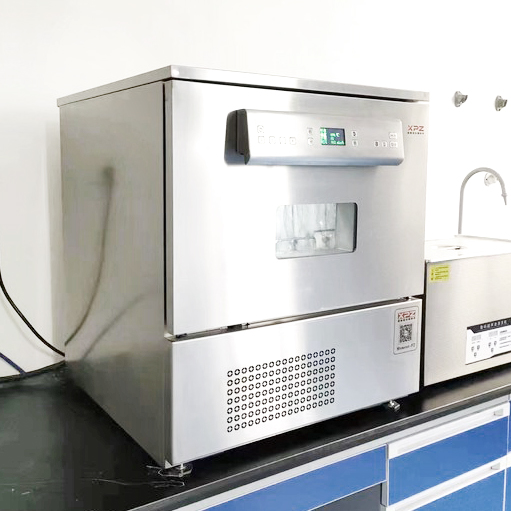
Moment-F2
1. Minimizing Exposure to Hazardous Material
One of the most compelling arguments for automation is the immediate reduction of workplace hazards. Manual cleaning inherently exposes laboratory personnel to significant risks:
Physical Injuries: Handling fragile, chemical-stained glassware frequently leads to accidental breakage and severe cuts.
Biological and Chemical Hazards: Technicians face potential exposure to infectious pathogens, toxic residues, and volatile organic compounds (VOCs).
Corrosive Detergents: Specialized laboratory cleaning agents are often highly alkaline or acidic. By utilizing a fully enclosed XPZ washing system, personnel are completely shielded from these harsh chemicals, significantly improving overall laboratory safety.
2. Standardization and Regulatory Compliance
Achieving reproducible experimental results requires absolute consistency, which manual washing cannot guarantee. XPZ automatic glassware washers simplify compliance with internal quality management standards and international regulations (such as GMP/GLP):
Programmable Cycles: The entire cleaning, rinsing, and neutralization process runs inside a sealed chamber according to strict, pre-validated parameters.
Data Traceability: Automated systems make verification and record-keeping effortless, logging critical metrics like water temperature, duration, and rinse water purity to provide a reliable audit trail.
3. Streamlined Workflows and Cost Efficiency
Modern XPZ systems integrate washing, rinsing, and thermal drying into a single, unified footprint. This multifunctionality delivers clear economic and operational advantages:
Resource Optimization: Combining multiple processing steps eliminates the need for separate drying ovens and reduces the spatial footprint required for glassware processing.
Labor Cost Reduction: A single automated washer can handle the throughput of multiple dedicated manual cleaning staff, allowing facilities to reallocate valuable human resources to higher-value analytical tasks.
Consistent Consumable Use: Automated dosing systems ensure precise consumption of water, electricity, and detergents, minimizing operational waste.
4. Reclaiming Time for Science
Manual washing is a time-consuming chore that distracts highly trained researchers from their primary responsibilities. By delegating this repetitive task to an automated system, scientists and laboratory technicians can dedicate their energy to experimental design, data analysis, and breakthrough research. Ultimately, maximizing instrument uptime and human productivity accelerates the overall pace of scientific discovery.
Conclusion The growing popularity of XPZ Automatic Laboratory Glassware Washers is driven by a fundamental need for safety, consistency, and efficiency. By mitigating cross-contamination risks, reducing physical hazards, and providing standardized cleaning data, these systems have evolved from a luxury asset into an indispensable cornerstone of the modern compliant laboratory.
Post time: Jun-23-2026